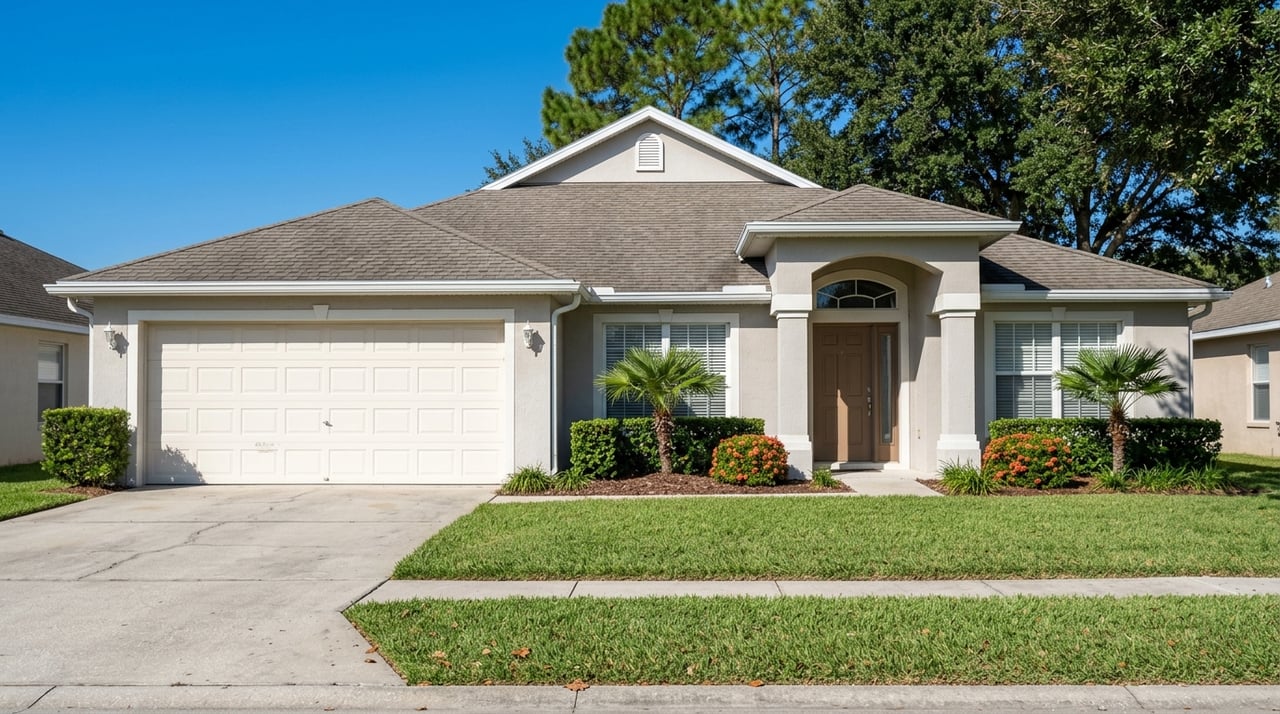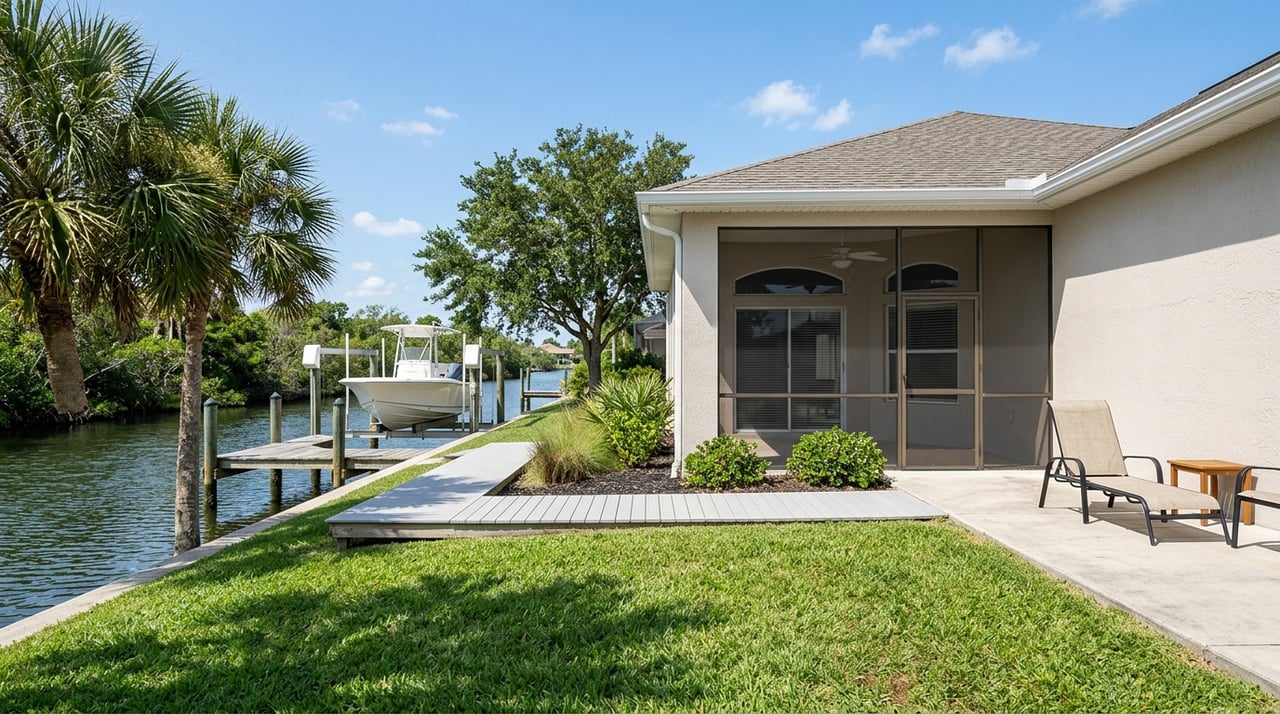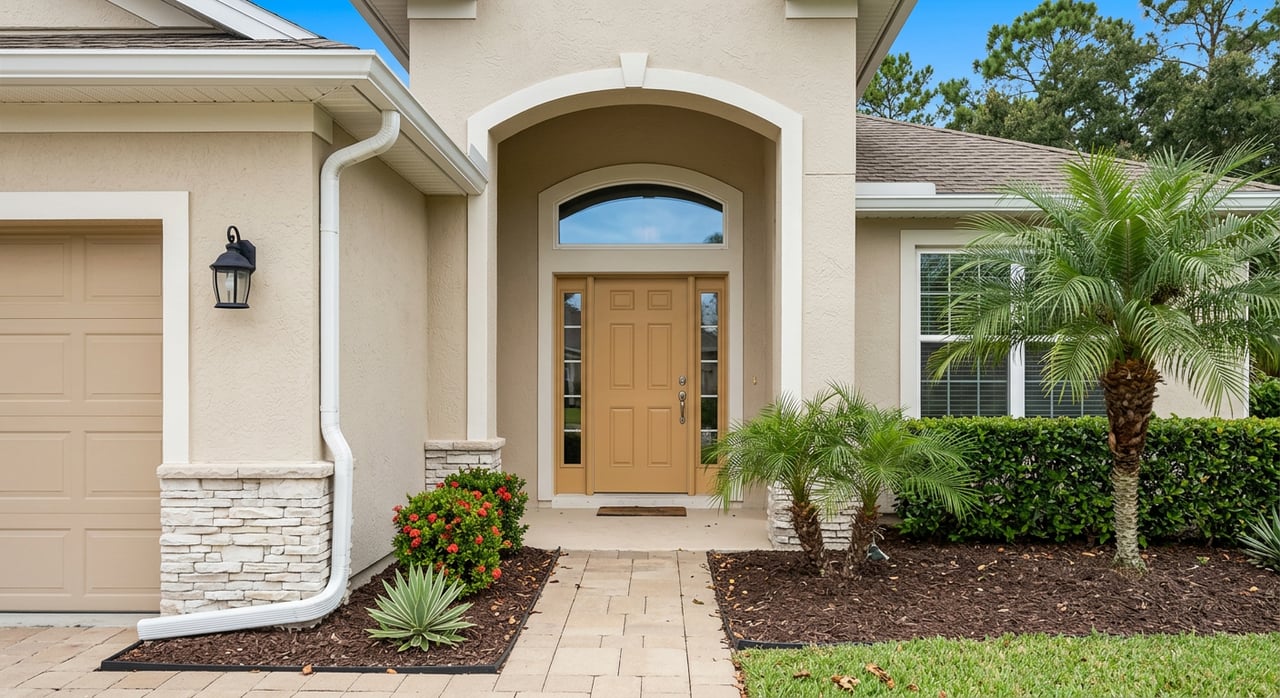
Thinking about selling your Port Orange coastal or amenity‑community home but unsure where to start? You are not alone. Between seasonality, flood and insurance rules, seawall and dock questions, and HOA paperwork, there is more to consider than a typical inland sale. This guide gives you a clear, step‑by‑step plan tailored to Port Orange so you can price confidently, prepare the right documents, and market the lifestyle buyers want. Let’s dive in.
Port Orange market snapshot and timing
Port Orange’s market shifts by neighborhood and product type. Recent portal snapshots show a citywide median around the mid‑$330s and average days on market near two to three months. Micro‑markets in coastal‑adjacent pockets or planned communities can outperform when inventory is tight and amenities are strong. County commentary in early 2026 notes inventory is higher than last year in some segments while sale‑to‑list ratios often sit in the high 90s in desirable areas, which means well‑priced homes can still sell close to asking in the right pocket. You can review county‑level trends for context in the Volusia market summary PDF, then lean on a local CMA for your subdivision specifics.
According to statewide research, Florida sellers often see a bump in both price and speed when they list during late winter into spring. One analysis highlights mid‑April as a high‑opportunity window for sales in many Florida markets. If you want to reach snowbird and relocation buyers, consider listing before the end of spring or plan early summer strategies with insurance timing in mind.
- See county trend context: Volusia early‑2026 trends summary
- Seasonality note: Study on mid‑April listing advantage in Florida
What to ask before you price
- A 90‑day comp set in your immediate neighborhood or on your waterway.
- Months of supply for your micro‑market versus citywide averages.
- A seasonality view that shows when offers tend to cluster for your subdivision or amenity community.
What drives value in coastal and amenity communities
Not every “coastal” property draws the same buyers. Value depends on location, water access type, elevation, and community amenities.
Location profiles that shape buyer pools
- Halifax River or canal waterfront. Appeals to boaters who value dockage, lifts, and a clear route to Ponce Inlet. Navigation depth and distance to the inlet can influence demand.
- Near‑beach or beach‑access homes. Proximity, views, and lifestyle without oceanfront pricing can draw a wide audience.
- Planned and amenity communities. Neighborhoods with golf, gatehouse security, club facilities, or pools attract buyers who value convenience and shared amenities. The distinct amenity mix at places like Spruce Creek Fly‑In shows how uniqueness helps set price and marketing strategy.
Features that can shift price meaningfully
- Dock, boat lift, and water depth. Clarify permitted features, lift capacity, and the navigation route to the Intracoastal and inlet. Documentation helps buyers value what you are selling.
- Seawall or bulkhead condition. The age, materials, and any engineering or repair history matter. A failing seawall can reduce offers and slow a sale. Review county rules and have permits or engineering reports ready. See local coastal and permitting references in Volusia’s coastal planning materials.
- Flood zone, elevation, and prior claims. If the home sits in a Special Flood Hazard Area, mortgage lenders will require flood insurance, which narrows the buyer pool for some shoppers. Elevation Certificates can improve insurance pricing. Review local guidance and FEMA mapping references in Volusia’s flood‑awareness program document.
Remember, “waterfront premium” is not one number. It varies by access type, scarcity, elevation, and insurance costs. Use closed sales for closely comparable waterfront and near‑water properties, then adjust for your specific features.
Smart pre‑listing inspections and prep
Coastal and amenity‑community buyers pay attention to systems that affect insurance, safety, and ongoing costs. Getting ahead of these topics reduces renegotiations and keeps your escrow on track.
Priorities that matter most
- Roof age and documentation. Many insurers have roof‑age guidelines. Provide replacement dates, permits, and any roof certifications.
- Wind‑resistant features. Impact glass, storm shutters, and roof‑to‑wall connections can generate insurance discounts under Florida law. A wind‑mitigation inspection is a simple way to document credit‑worthy features. See state resources on wind mitigation at the Florida Office of Insurance Regulation and the statute that requires credits for qualifying features §627.0629.
- Seawall and dock condition. Collect permits, engineering reports, and recent repair invoices. Confirm county and state permitting if repairs are needed. Reference Volusia coastal guidance.
- Termite/WDO and moisture history. Florida humidity makes WDO and moisture remediation documentation essential.
- Mechanical systems. Note ages and recent service for HVAC, water heater, pool equipment, and irrigation.
Pre‑listing inspection set to consider
- Full pre‑listing home inspection to surface issues before buyers do.
- Wind‑mitigation inspection to document insurance credits.
- 4‑point inspection when the home’s age or insurer requirements make it prudent.
- WDO and pool inspections, where applicable.
A 6–8 week prep timeline
- Weeks 1–2: Order pre‑listing, wind‑mitigation, and 4‑point inspections. Gather roof, dock, seawall, and permit history. Locate any Elevation Certificate.
- Weeks 3–4: Complete repairs that improve safety, insurability, or first‑impression value. Request your HOA or condo resale packet now to avoid closing delays.
- Weeks 5–6: Stage indoor and outdoor living areas. Schedule professional photos and drone imagery. Time outdoor media for lower sun angles and calm water when possible.
Pricing strategy and premium marketing
Pricing for unique coastal features
Waterfront and amenity‑rich homes often lack perfect one‑to‑one comps. Cast a wider net among recent waterfront and near‑water sales, then adjust for dockage, seawall condition, elevation, and wind‑resistant upgrades. In today’s Port Orange area, desirable pockets often see sale‑to‑list ratios in the high 90s. Set expectations with your agent using neighborhood‑level data and current days on market from your micro‑market. For context, review the Volusia trend summary and then rely on a custom CMA for your property.
Marketing that sells the lifestyle
- Pro media that shows context. Use high‑quality interiors, exteriors, and aerials to showcase your dock, views, and the route to Ponce Inlet. Short lifestyle clips at sunrise or sunset can boost engagement.
- Floor plans and access maps. Provide a simple marine‑access overview and a clear floor plan so remote buyers can visualize flow and boating logistics.
- Targeted outreach. Reach in‑state and out‑of‑state buyer segments who want boating, golf, or low‑maintenance coastal living. Use accurate MLS remarks to highlight permitted, documented features.
Showing and staging pointers
- Tidy the dock, boat, and lift areas. Remove visual clutter that distracts from the water amenity.
- Time showings for better light and minimal glare on the water when possible.
- Stage outdoor spaces. Treat the lanai, pool deck, and patio like an extra room buyers want to use.
Legal, insurance, and closing logistics to plan for
Coastal sellers who line up disclosures and insurance details early enjoy smoother escrows. Here are the Florida and Volusia specifics to know.
New mandatory flood disclosure
Florida now requires a separate Flood Disclosure form to be provided to the buyer at or before contract execution. The disclosure asks if you know of flood damage during your ownership, whether a flood insurance claim was filed, and whether you received federal assistance. Review the bill text for the new disclosure requirement in §689.302 and plan to complete the form before accepting an offer.
Property tax disclosure summary
Florida requires a property tax disclosure summary that explains taxes may be reassessed after closing. Include this at or before contract unless your contract already provides it. See statute references in Chapter 689.
HOA and condo resale packets and estoppels
If your home is in an association, you will need to obtain a resale packet or estoppel and provide key governing documents and disclosures. Florida HOA law sets requirements and delivery deadlines. Start the request early, as association processing time can delay closing. Review the framework in Chapter 720 and confirm details with your association manager or closing attorney.
Flood maps, elevation, and lender impacts
Check FEMA flood maps early to confirm whether the home is in a Special Flood Hazard Area. If so, buyers using federally related mortgages must carry flood insurance, and premiums can depend heavily on elevation. An Elevation Certificate, if available, can reduce premiums and provide clarity to buyers. Local guidance and FEMA mapping references appear in Volusia’s multi‑jurisdictional flood program document.
Insurance rules and hurricane season timing
Florida law requires insurers to offer credits for qualifying wind‑mitigation features. Sharing a current wind‑mitigation report helps buyers estimate premiums and compare policies. See the statute at §627.0629 and consumer resources from the Office of Insurance Regulation.
During tropical storm or hurricane threats, carriers may suspend binding new policies in the affected area until watches and warnings are lifted. If a buyer needs a new policy to close, a binding suspension can delay your closing. Plan ahead when listing during hurricane season. You can see binding‑suspension guidance from Citizens in their hurricane season information.
Seller disclosure best practices
Even beyond the new flood disclosure, Florida sellers must disclose known material defects and provide honest, thorough details on claims, repairs, and permits. Keep documentation for docks, seawalls, roofs, and additions. Clear disclosures reduce the chance of post‑closing disputes and help buyers feel confident moving forward.
Your 60‑day plan to list with confidence
- Weeks 1–2: Schedule a pre‑listing inspection, wind‑mitigation, and 4‑point if needed. Gather permits for roof, dock, and seawall. Locate any Elevation Certificate.
- Weeks 3–4: Request the HOA or condo resale packet. Start minor repairs and service HVAC, pool, and irrigation. Draft your Flood Disclosure and have the property tax summary ready for contract.
- Weeks 5–6: Finalize staging, schedule professional photos and drone, and prepare a simple marine‑access map and floor plan. Launch with a pricing strategy that reflects your features and micro‑market data.
Selling coastal is about details. When you line up inspections and documents early, frame value through great media, and price using the right comps, you set yourself up for a smoother sale and a stronger net.
Ready to talk strategy for your Port Orange coastal or amenity‑community home? Schedule a Free Consultation with Michael Fiscina to get a custom pricing and prep plan tailored to your property.
FAQs
What is the best time to sell a Port Orange coastal home?
- Late winter through spring often draws more buyers in Florida, and one statewide study highlights mid‑April as a strong window for price and speed. Your micro‑market may vary, so confirm timing with neighborhood‑level data.
Do I have to disclose prior flooding when I sell?
- Yes. Florida requires a separate Flood Disclosure provided at or before contract. You must state if you know of flood damage during ownership and whether a claim or federal assistance occurred. See §689.302.
How do flood zones and elevation affect my sale?
- If your home is in a Special Flood Hazard Area, buyers using mortgages will need flood insurance. Elevation Certificates can meaningfully change premiums, so locate or order one early. See local guidance in Volusia’s flood program document.
What insurance reports help buyers feel confident?
- A wind‑mitigation inspection, 4‑point report for older homes, and current roof documentation. Florida law requires insurers to offer credits for qualifying wind features, which you can show with a wind‑mitigation report. See §627.0629.
How long do HOA or condo resale packets take in Florida?
- Associations operate under statutory rules and must deliver required disclosures and estoppels within set timelines. Request the packet as soon as you plan to list to avoid closing delays. Review HOA requirements in Chapter 720 and verify timing with your association.
Should I repair a seawall or dock before listing?
- If there is visible failure or missing permits, repairs or engineering documentation can protect value and reduce buyer hesitation. At minimum, have permits and any engineering reports on hand. Consult local rules in Volusia coastal guidance.