Dreaming about keeping your boat close to home and reaching open water without turning every outing into a major production? In Ponce Inlet, that idea feels a lot more practical than in many coastal towns. If you are considering waterfront living here, it helps to understand how boat access, property types, and local coastal rules all fit together. Let’s dive in.
Why Ponce Inlet Appeals to Boaters
Ponce Inlet sits at the southern tip of Volusia County on a barrier island, with the Atlantic Ocean on one side and the Halifax River on the other. That setting gives you a rare mix of river access, inlet access, and beach proximity in one small coastal community.
The town’s own planning documents describe Ponce Inlet as a low-lying, mostly built-out area with a quiet, residential feel. Official materials also emphasize nature, privacy, and a small-town lifestyle, which helps explain why the area attracts buyers who want real boating access without a dense resort atmosphere.
Another key point is that Ponce Inlet is more than 95% residential. That matters if you want a place where the day-to-day pace feels calmer, even though seasonal events in the wider area can temporarily increase population and activity.
Boat Access in Ponce Inlet
For many buyers, the first question is simple: how easy is it to get on the water? In Ponce Inlet, boating is one of the town’s strongest lifestyle advantages.
Ponce de Leon Inlet Access
Volusia County’s boating activity study identifies the Ponce de Leon Inlet area as a top Intracoastal Waterway destination for ocean access, fishing, and sailing. The same county source notes that it is the only ocean access point for more than 60 miles, which gives this location unusual value for boaters.
That kind of access can shape how you use your property. If your goal is quick runs to open water, fishing trips, or day cruising, being near this inlet can be a major practical advantage, not just a lifestyle perk.
Public Boat Ramp Options
One of the main public launch points is the boat ramp at Kay and Ayres Davies Lighthouse Park. The town notes that the ramp has limited parking, so planning ahead matters, especially on busier boating days.
This launch area also sits near well-known local landmarks, including the historic lighthouse area, the Marine Science Center, and Lighthouse Point Park. For you as a buyer, that means public launch access is available, but convenience may depend on timing and seasonal traffic.
Marinas and Marine Services
Town planning documents identify several marina and marine-service assets in and around Ponce Inlet. These include Harbor Village Marina, Inlet Cove Marina, Inlet Harbor Marina, Lighthouse Marina, and Sea Love Boat Works.
That marina network is important if you are weighing storage, fueling, service access, or slip availability instead of focusing only on backyard docking. One nearby example, Inlet Harbor Marina, advertises wet and dry slips, fuel, shore power, and an on-site waterfront restaurant just north of town.
Waterfront Home Types to Expect
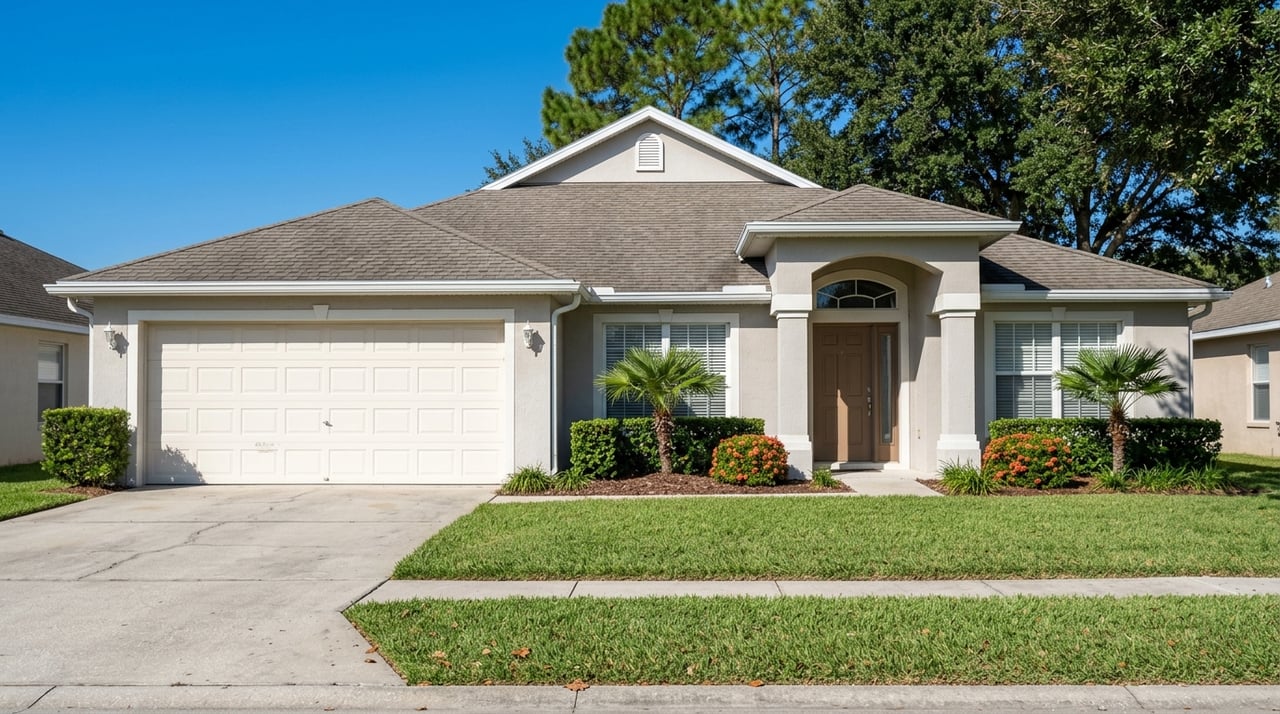
Ponce Inlet is not a typical large-subdivision market, and that shapes the housing mix you will see. The town’s documents describe a community dominated by single-family homes, with several multi-family condominium buildings along the coastline and some limited-access riverside single-family homes.
For boaters, that usually means your options fall into a few clear categories.
Riverfront Single-Family Homes
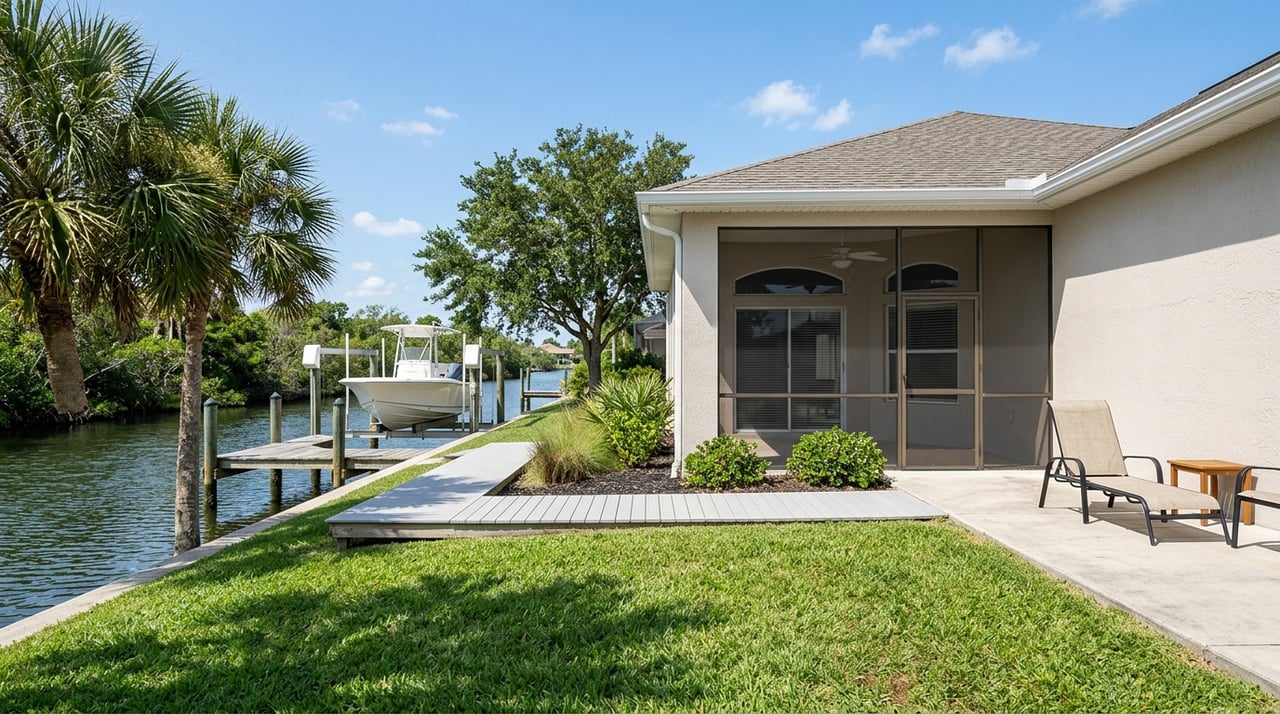
If your top priority is keeping a boat at home, riverfront and canal-front single-family properties may be the most appealing fit. Town documents note that some river and canal homes include backyard boat slips, which can make spontaneous boating much easier.
These properties often appeal to buyers who want direct water access and more control over their setup. If that is your goal, details like dock configuration, seawall condition, water depth, and local review requirements become especially important.
Condos Near the Coast or Inlet
If you want a lower-maintenance lifestyle, condo living may be worth a closer look. Ponce Inlet includes multi-family condominium buildings along the coastline, which can suit buyers who want to stay close to the water without taking on the full maintenance load of a detached waterfront home.
For a boating buyer, the tradeoff is usually straightforward. You may gain convenience and simplify upkeep, but you will want to look carefully at marina access, storage options, and any condo or association rules that affect boat ownership or use.
Marina-Oriented Waterfront Areas
Ponce Inlet’s land-use framework also includes Planned Waterfront Development. According to town documents, this category can include boat ramps, restaurants, commercial boat slips, and fuel stations on the riverside and inlet side of town.
That creates a different type of boating lifestyle. Instead of private docking at home, you may find value in living near marine services and slips that support frequent boating with less private infrastructure to manage yourself.
What Daily Life Looks Like
Boating may be the headline, but daily life matters just as much when you choose a waterfront home. In Ponce Inlet, the overall feel is quieter and more residential than many people expect from a coastal Florida location.
The town highlights places like Ponce Preserve, which offers boardwalk access, canoe and kayak launch points to the Halifax River, and a dune walkover to the beach. Residents and visitors are also drawn to the lighthouse, the Marine Science Center, and public beach access points.
That combination gives you more than one way to enjoy the water. Even on days when the boat stays tied up, the setting still supports an outdoor, coastal routine that feels connected to both the river and the beach.
Coastal Ownership Matters Here
If you are buying in Ponce Inlet, it is smart to think beyond the view and the dock. Waterfront ownership here is also a coastal property decision, which means you should pay close attention to flood zones, elevation, and local permitting.
Flood Zones and Elevation
The town’s flood-management page directs property owners to check FEMA flood zones and elevation information. That step can affect insurance planning, renovation decisions, and your comfort level with a particular property.
For buyers, this is not a minor detail. In a low-lying coastal community, understanding flood exposure is part of making a sound purchase decision.
Docks, Seawalls, and Local Review
The town also makes clear that items such as docks, seawalls, boat slips, piers, and mooring poles are part of the local review process. If you are buying a home with existing waterfront improvements, or hoping to add them later, that review process should be part of your due diligence.
This is where local guidance can make a big difference. A home may look ideal for boating at first glance, but the real value often comes down to how the existing improvements were set up and what may or may not be allowed in the future.
Is Ponce Inlet Right for Your Boating Lifestyle?
Ponce Inlet tends to fit buyers who want authentic water access in a quieter residential setting. If you are looking for a fast-paced marina district with a heavy commercial feel, this may not be the right match.
If, on the other hand, you want a place where inlet access, river access, beach proximity, and a small-town atmosphere come together, Ponce Inlet stands out. The town’s own vision centers on nature, quiet, and privacy, and that aligns well with buyers who want boating to be part of everyday life, not just a vacation activity.
When you are comparing homes here, it helps to look at the full picture:
- How close you want to be to the inlet
- Whether you prefer a private dock, marina slip, or public ramp access
- The maintenance level you want to take on
- Flood zone and elevation details
- Existing dock, seawall, or slip features
- Local review requirements for future changes
A boating property can be exciting, but it also rewards careful evaluation. In a market like Ponce Inlet, the best choice is usually the one that fits both your lifestyle and the realities of coastal ownership.
If you want help comparing waterfront homes, condos, or boat-friendly properties in coastal Volusia County, Michael Fiscina can help you evaluate the details that matter, from location and access to flood, zoning, and permitting considerations.
FAQs
What makes Ponce Inlet appealing for boaters?
- Ponce Inlet offers access to the Halifax River, the Atlantic Ocean, and the Ponce de Leon Inlet, which Volusia County identifies as a top destination for ocean access, fishing, and sailing.
What public boat ramp is available in Ponce Inlet?
- The town identifies the boat ramp at Kay and Ayres Davies Lighthouse Park as a key public launch site, and it notes that parking there is limited.
What types of waterfront homes are common in Ponce Inlet?
- Buyers will generally find single-family homes, some river or canal homes with backyard slips, and condominium buildings along the coastline.
Are there marinas in the Ponce Inlet area?
- Yes. Town planning documents list marina and marine-service assets such as Harbor Village Marina, Inlet Cove Marina, Inlet Harbor Marina, Lighthouse Marina, and Sea Love Boat Works.
What should buyers check before purchasing a waterfront home in Ponce Inlet?
- You should review flood zone and elevation information and look closely at any docks, seawalls, slips, piers, or other waterfront improvements that may be subject to local review.
Is Ponce Inlet more residential or more resort-oriented?
- Official town materials describe Ponce Inlet as a mostly built-out, over-95% residential community that emphasizes nature, quiet, privacy, and a small-town lifestyle.