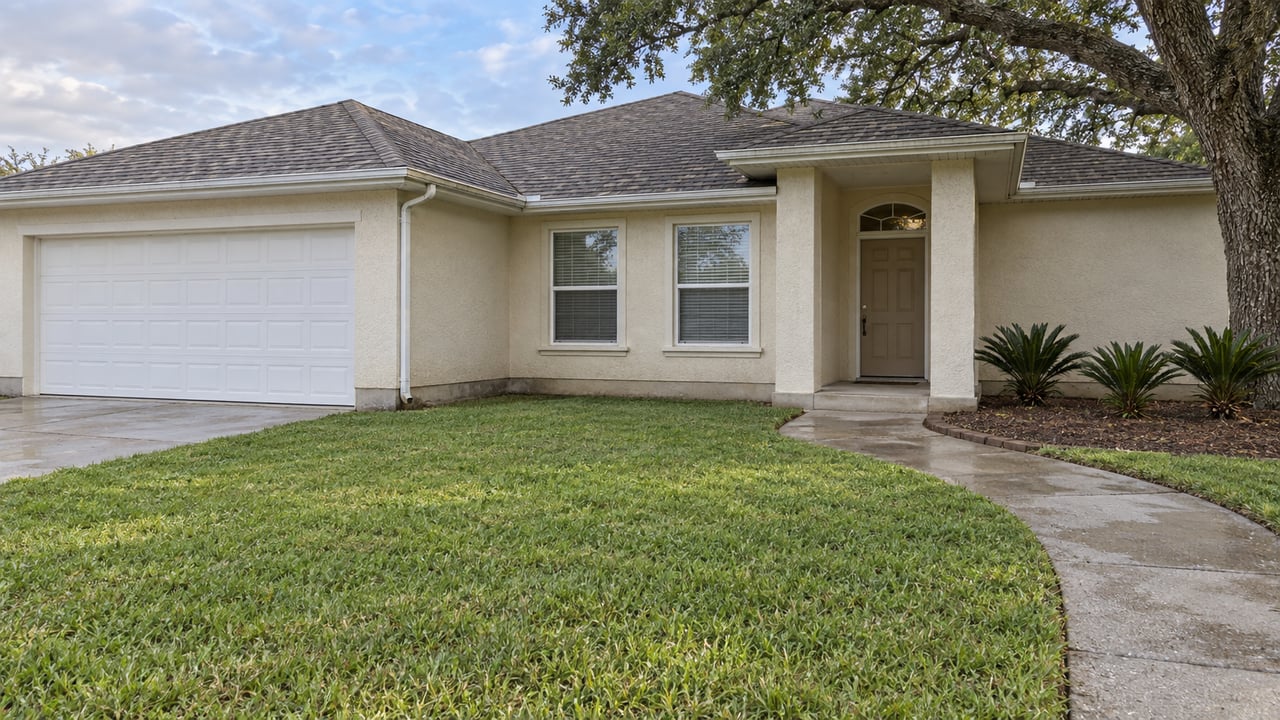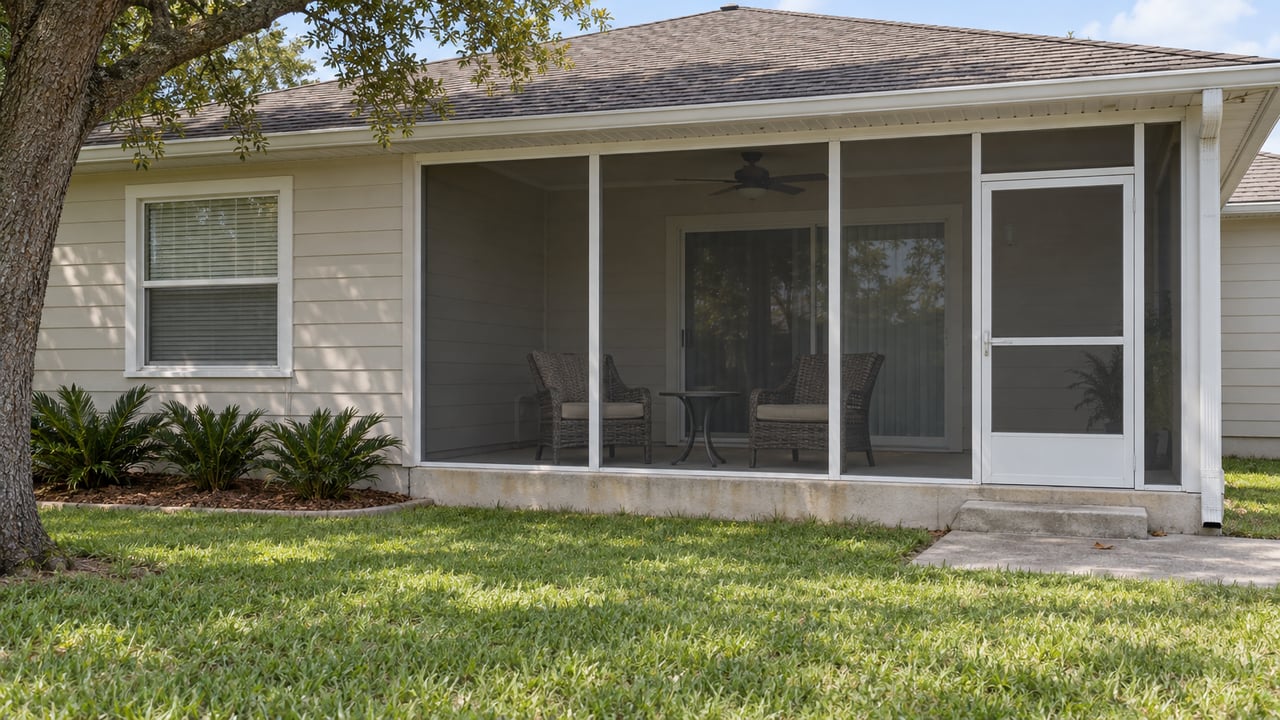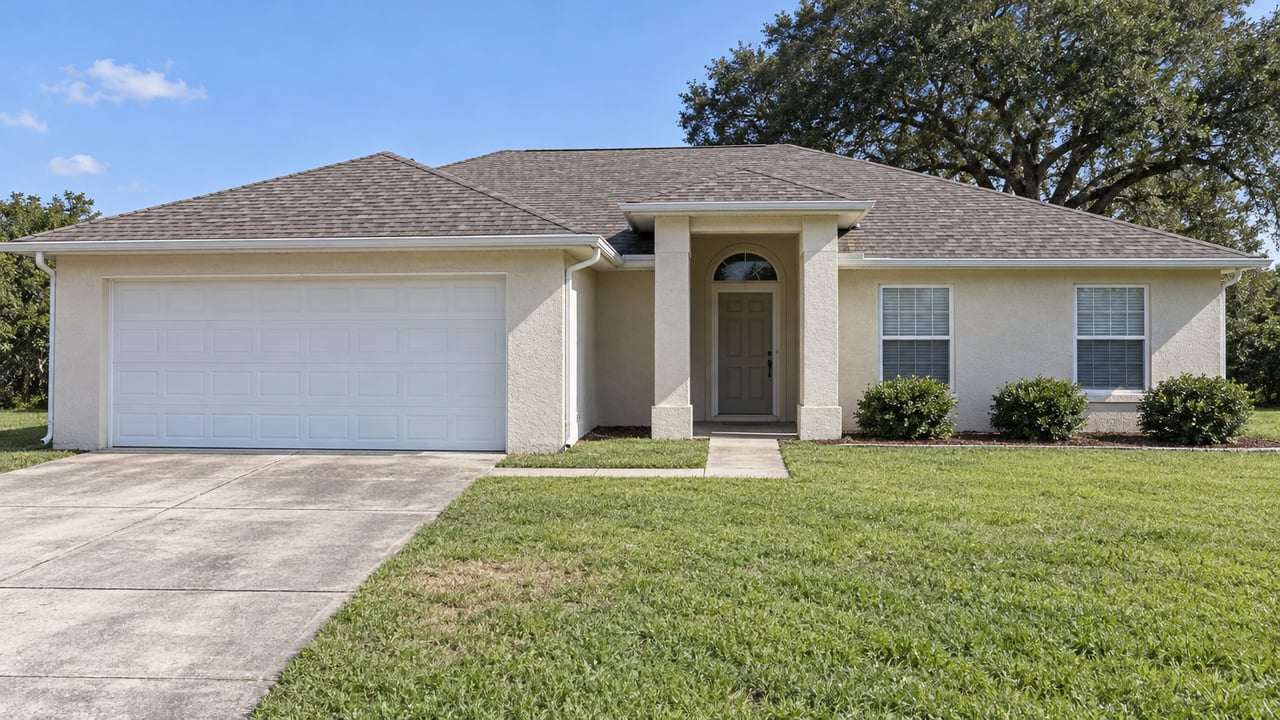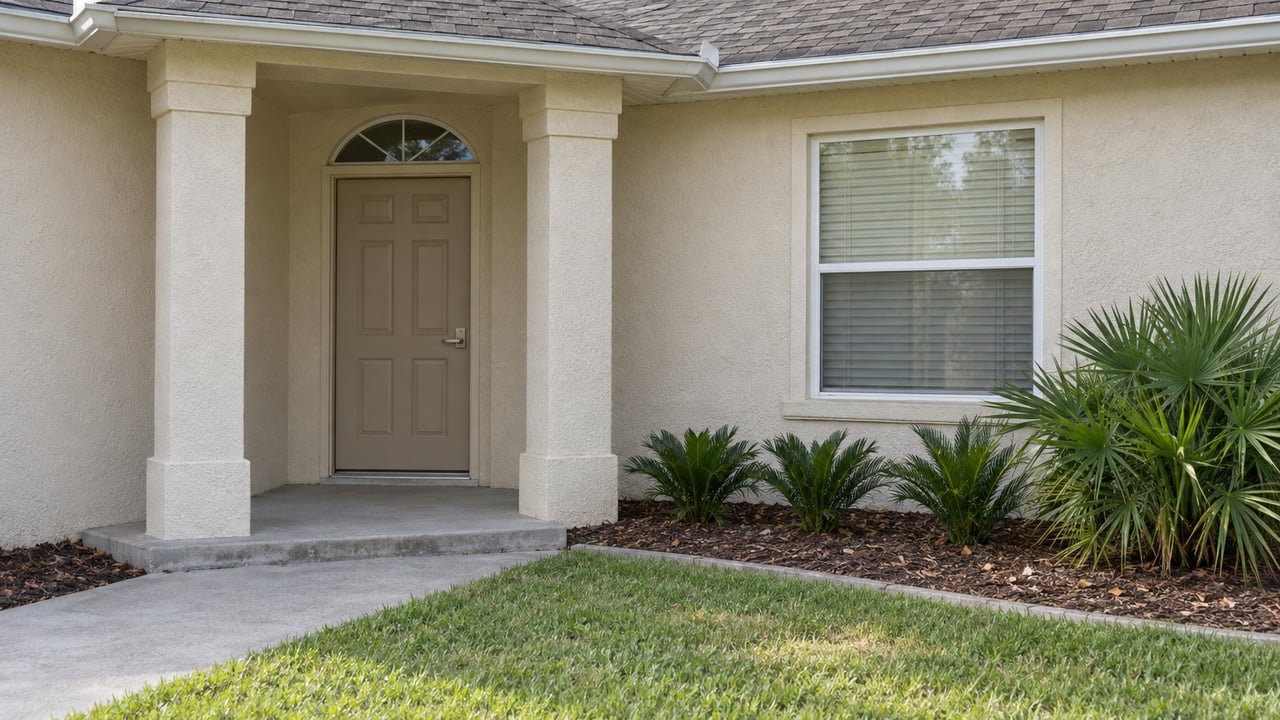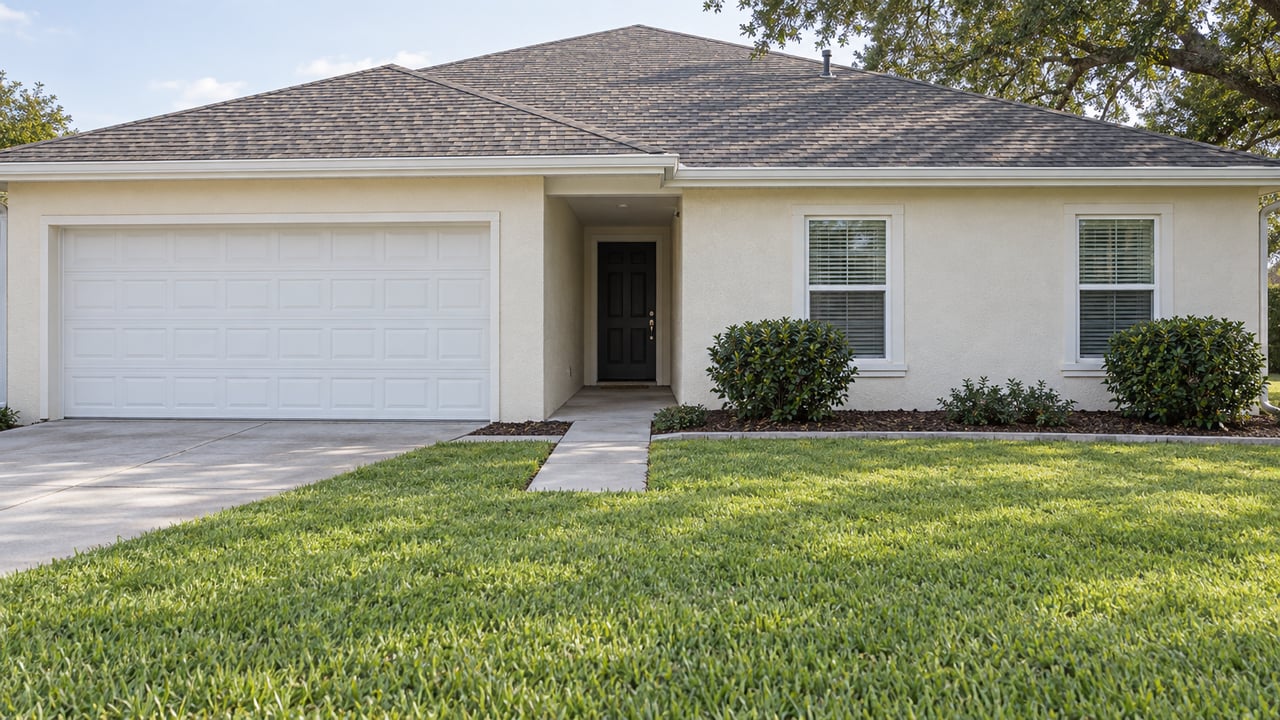
Two resale listings go under contract in Countryside this month. Same square footage, same brick-facade style, same builder-grade lot, built four years apart in the 1980s. One closes on schedule. The other stalls for three weeks while the seller scrambles to find a licensed electrician who can swap out a breaker panel before the buyer's insurance carrier will bind a policy.
It looks like bad luck. It isn't. It's math.
Port Orange's older subdivisions didn't fill in gradually over fifty years the way a lot of Florida towns did. They went up in tight, multi-year construction pushes, then sat mostly untouched by new development for a decade or more before the next wave started further west. That means entire streets carry almost the same birth year, and entire streets are now crossing the insurance industry's age thresholds within a year or two of each other. The house that stalls a closing this month is standing next to four more that are about to do the same thing, on the same panel, with the same pipe.
The Same Few Years, Over and Over
Look at when Port Orange's core neighborhoods actually got built, and the pattern is hard to miss. Spruce Creek Estates went up entirely between 1979 and 1995, with a median year built of 1987, which puts the typical home there at 39 years old this year. Deep Forest Village and Hidden Lake are both flagged as 1980s ranch construction. Further east, the older concrete-block ranch belt along Sweetbriar Road, Halifax Drive, and Roscoe Turner Trail dates to the 1970s and '80s. Harbor Oaks, the city's waterfront pocket, goes back further still, to the 1950s and '60s.
None of these are neighborhoods where a 2026 spec home sits next to a 1975 original. They're each a single generation of building stock, and many homes in these neighborhoods may meet a carrier's age threshold for an inspection.
What a 4-Point Inspection Actually Checks, and Why the Cutoff Moves
Florida insurers use something called a 4-point inspection to decide whether an older home is worth the risk. It's a narrow, focused look at four systems: the roof, the electrical panel and wiring, the plumbing, and the HVAC. It isn't a substitute for a full home inspection. It exists purely so a carrier can decide whether to write a policy and at what price.
The age at which a carrier asks for one isn't fixed. Some insurers request it as early as 10 to 15 years. Most sit in the 20 to 30 year range. Citizens, the state-backed insurer of last resort, tends toward the earlier end of that range. A handful of carriers will hold off until 40 years if the home has a clean claims history.
That range matters less in Port Orange than it would somewhere with a mixed-age housing stock, because many of the city's older subdivisions meet or exceed some carriers' thresholds. A 39-year-old median home in Spruce Creek Estates or a home pushing 50 in the Sweetbriar Road ranch belt may trigger a 4-point inspection, depending on the carrier. The question is what it finds.
The Three Things That Actually Fail
Homes built across the exact years Port Orange's older neighborhoods went up carry a specific, predictable set of red flags.
Electrical panels from certain manufacturers, most notably Federal Pacific Electric and Zinsco, have a documented history of breaker failures and are frequently declined or surcharged by Florida carriers on sight. These panels were standard equipment in exactly the construction years that built out Countryside, Deep Forest Village, and the ranch belt.
Polybutylene plumbing, the gray plastic supply piping used in homes built from the late 1970s through the mid-1990s, cracks and fails from the inside over time. Most insurers won't write a policy on a home that still has it. A full repipe is usually the only fix a carrier will accept.
Roofs are judged less by age at construction than by how much life is left on the current covering, generally three to five years minimum. That distinction matters here because most homes from this era have already had at least one re-roof. The relevant date isn't 1987. It's whenever the roof was actually replaced, and whether that replacement was permitted.
Why Two Houses on the Same Street Price Differently
This is the part a build year alone can't tell you. A 1987 home where the owner repaneled and repiped in 2015 is a completely different insurance risk than the house next door built the same year that's never had either system touched. Same age, same floor plan, same street, and one sails through underwriting while the other needs tens of thousands of dollars in work before a carrier will bind coverage.
The only way to tell the two apart before an offer goes in is permit history, and Port Orange is worth checking carefully here because it isn't lumped in with the county's blanket system. Volusia County's Building and Code Administration Division handles permits for unincorporated areas, but Port Orange, like Daytona Beach, Ormond Beach, New Smyrna Beach, Daytona Beach Shores, and Holly Hill, maintains its own building department and its own permit record. A seller's claim that "the panel was replaced" or "the roof is only ten years old" is worth confirming against that record before it factors into a listing price or an offer.
What This Means If You're Selling or Buying Here
If you're selling in Countryside, Spruce Creek Estates, Deep Forest Village, Hidden Lake, or anywhere along the older ranch belt, assume a 4-point inspection is coming regardless of your current coverage, because your buyer's lender will likely require a new one for a new policy. Getting ahead of it before listing, rather than finding out mid-contract, keeps a clean closing timeline instead of a three-week scramble.
If you're buying a resale in one of these neighborhoods, don't let a fresh coat of paint or updated kitchen stand in for verified system history. Ask specifically whether the panel, the plumbing, and the roof have been replaced, and ask for the permit numbers, not just the seller's word. A 4-point inspection typically runs $75 to $150 and can usually be bundled with a wind mitigation inspection on the same visit, which is worth doing anyway since wind mitigation is the one that can actually lower a premium, sometimes by 50 to 88 percent on the windstorm portion of the bill, rather than just determining whether a carrier will write the policy at all.
Here's a rough sense of how the age math lines up across the city's older pockets as of 2026:
| Neighborhood | Build window | Approximate age in 2026 |
|---|---|---|
| Harbor Oaks | 1950s-1960s | 57-76 years |
| Sweetbriar Rd / Halifax Dr / Roscoe Turner Trail | 1970s-1980s | 37-56 years |
| Spruce Creek Estates | 1979-1995 (median 1987) | 31-47 years (median 39) |
| Deep Forest Village / Hidden Lake | 1980s | 37-46 years |
These age bands overlap the 4-point thresholds described above, but whether an inspection is required depends on the carrier.
If you're getting ready to list a home in one of Port Orange's older neighborhoods, or you're shopping resale and want to know what a specific address's permit history actually says before you write an offer, Michael Fiscina can walk through what's likely to come up before an underwriter finds it first. Schedule a free consultation to get ahead of it.
This article is general information, not legal, tax or financial advice. Consult a qualified professional about your situation.