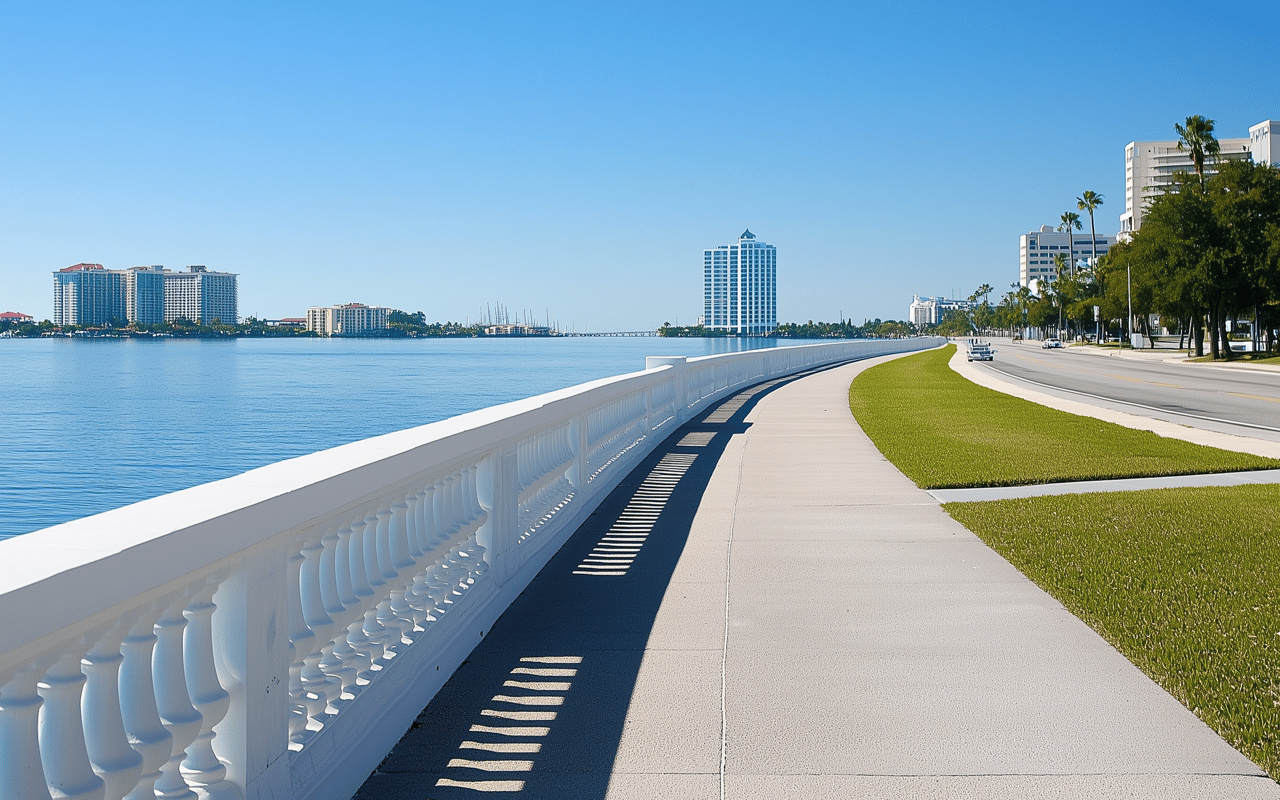
Are you looking for a Florida lifestyle that feels close to the water without living in the middle of a nonstop tourist zone? Port Orange stands out because it gives you a suburban home base with river access, nearby beaches, and the kind of everyday convenience many buyers want. If you are trying to decide whether Port Orange fits your lifestyle, this guide will help you understand how the city actually lives day to day. Let’s dive in.
Why Port Orange Feels Coastal
Port Orange sits on the Halifax River in east Volusia County, just south of Daytona Beach. It is about an hour northeast of Orlando via I-4, which helps explain why many people see it as a practical coastal base rather than a resort-only destination.
That distinction matters. Port Orange is not a true beachfront city under its own jurisdiction, so it is more accurate to think of it as a river-connected coastal suburb with beach access. If you want water, boating, parks, and beach days without a full resort-town feel, that can be a real advantage.
Beach Access in Everyday Life
One of the most common questions buyers ask is simple: How close is the beach, really? In Port Orange, the answer is that beach access is convenient, but it is typically part of your routine through the causeway and nearby county-managed access points rather than steps from your front door.
Dunlawton Avenue, also known as SR 421, is one of the city’s key east-west routes and connects I-95 at Exit 256 to the beachside area. That makes it a major part of daily life for commuting, errands, and getting over to the coast.
Volusia County manages beach access and status. The Dunlawton vehicle access ramp is open, and Toronita Avenue Beach Park in nearby Wilbur-by-the-Sea offers restrooms, showers, a signalized crosswalk, and a non-driving beach area about two miles south of Dunlawton Boulevard.
The practical takeaway is this: Port Orange gives you easy beach access, but your beach routine depends on county-managed ramps, parking, and current conditions. Closures can change based on tides, repairs, or construction, so convenience is real, but it is not the same as owning in a direct beachfront district.
Suburban Comfort With Water Access
What makes Port Orange appealing for many buyers is the balance. You can enjoy a more traditional suburban setting while still staying close to boating, paddling, fishing, and beach outings.
The Halifax River plays a big role in that lifestyle. City planning documents describe it as a shallow, brackish estuary between the mainland and barrier island, and the Port Orange Causeway is a major public access point to the river. For many residents, that shapes how they think about being near the water.
Instead of a one-note beach market, you get a city where coastal living can mean a morning walk by the river, an afternoon paddle launch, or a quick drive over the bridge for beach time. That broader definition of coastal living is one reason Port Orange appeals to both full-time residents and second-home buyers.
What Homes in Port Orange Look Like
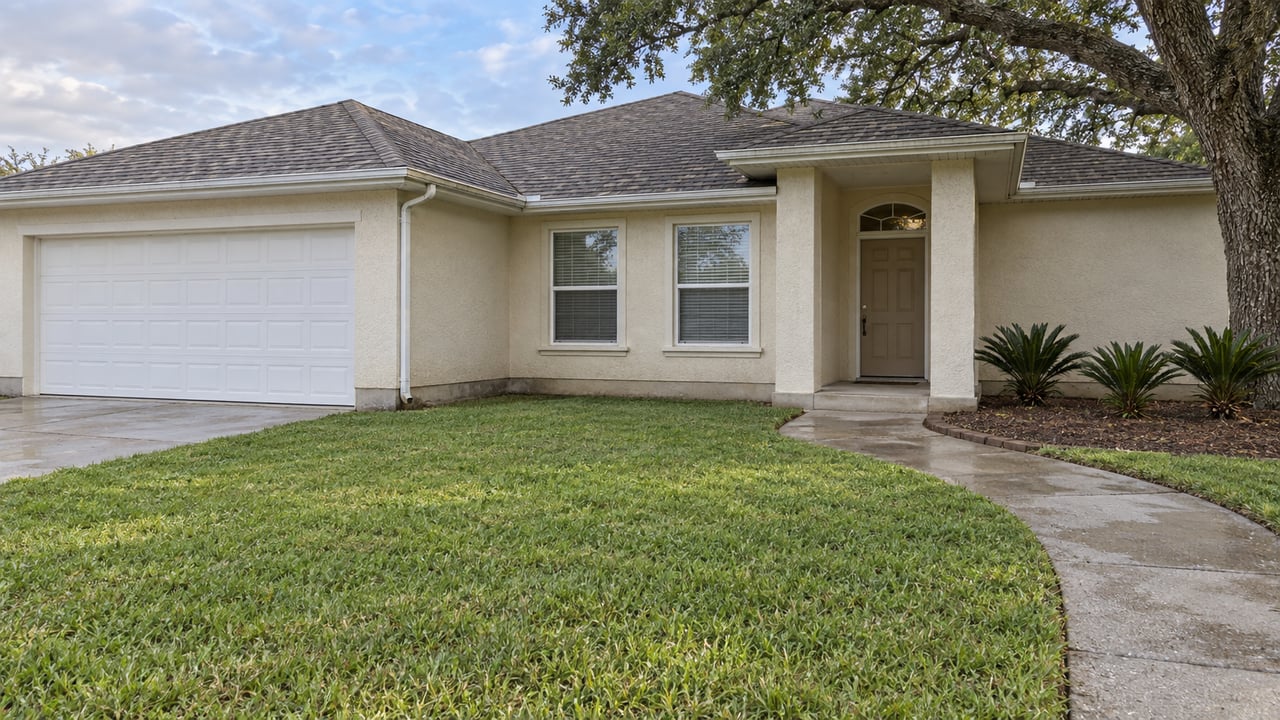
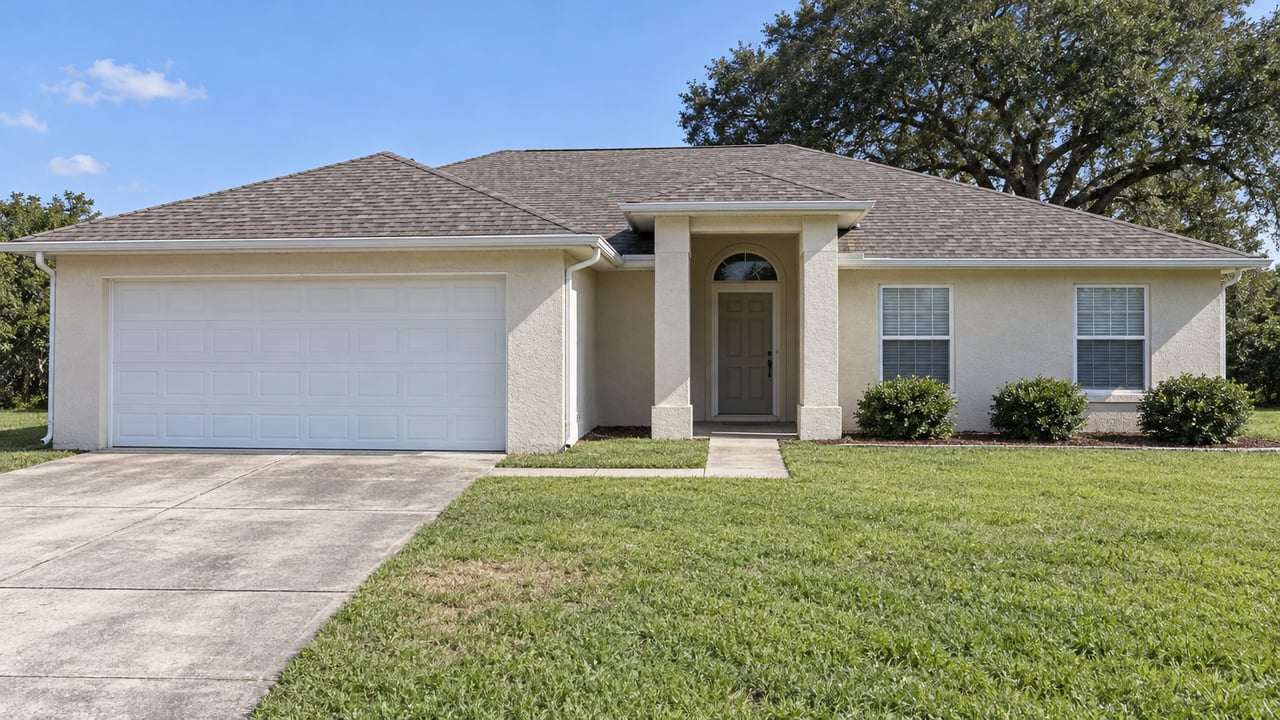
If you are wondering whether Port Orange is mostly condos, beach cottages, or suburban homes, the housing data gives a clear answer. The city has a broad housing mix, but single-family detached homes are the dominant type, making up 63.5% of the housing inventory.
Here is a quick look at the city’s housing mix:
Housing type | Share of housing inventory |
|---|---|
Single-family detached | 63.5% |
Multifamily | 16.1% |
Mobile home or other | 15.2% |
Single-family attached | 5.1% |
That mix supports a wider range of buyer goals. You can find more traditional suburban neighborhoods, lower-maintenance options, and housing pockets that feel newer or more compact depending on where you focus your search.
Established Areas and Newer Growth
Port Orange has both established neighborhoods and areas with ongoing development activity. The city’s Community Development Department tracks residential, commercial, and roadway or sidewalk applications on an interactive map that is updated weekly, which supports the idea of a market that continues to evolve.
For buyers, that means you may see a mix of long-established sections and infill or newer projects. For sellers, it also means local pricing strategy should account for nearby development, changing inventory, and the specific feel of each pocket of the city.
Another piece of the local identity is the Port Orange Town Center Community Redevelopment District. Located in the eastern section of the city, it includes 300 parcels across 271 acres and was created to keep the historic heart of the community viable. In practical terms, it gives Port Orange a downtown-like civic core that adds to the city’s self-contained feel.
Parks and Recreation Matter Here
A big reason Port Orange feels livable is that the lifestyle is not built around the beach alone. The city’s Parks and Recreation Department maintains more than 475 acres of parkland, including 28 parks and facilities, 6 boat ramps, 12 boardwalks or fishing piers, 26 athletic fields, 18 tennis courts, and more than 25 special events each year.
That depth of recreation matters if you want choices close to home. Even if you do not go to the beach every weekend, you still have plenty of ways to stay active and enjoy the outdoors.
Riverwalk Park Highlights
Riverwalk Park is one of the clearest examples of how Port Orange blends suburban convenience with waterfront living. The park includes a kayak, canoe, or paddle board launch, fishing piers, a boardwalk, a walking trail, a splash pad, a playground, an event lawn, and a riverfront promenade on the Halifax River.
For many buyers, this is the kind of amenity that helps define the city’s lifestyle. It supports morning exercise, family outings, water access, and a more relaxed connection to the river without requiring a private dock.
City Center Adds Convenience
The City Center Municipal Complex adds another layer of everyday function. It includes a half-mile walking trail around the lake, city hall, a library, a community center, an amphitheater, a skate park, and sports facilities.
This helps Port Orange feel organized and practical for day-to-day life. It is one more reason the city often appeals to buyers who want a coastal setting with strong local infrastructure.
Boating, Nature, and Quiet Space
If boating or paddling is part of your lifestyle, Port Orange offers several local options. Port Orange Causeway Park is a major boat-ramp facility on the Halifax River at the Port Orange Bridge, and the Dunlawton Boat Ramp is nearby.
For a quieter, more natural setting, the Port Orange area also includes access to places like Spruce Creek Park and Doris Leeper Spruce Creek Preserve. These spaces add trails, boardwalks, canoe launches, and wildlife viewing, which broadens the idea of coastal living beyond the beach itself.
What Buyers Should Know About Flood and Drainage
In any coastal Florida market, practical due diligence matters. Port Orange’s Community Development services include floodplain management, and the city’s engineering and stormwater information shows that infrastructure work is concentrated east of I-95, where flooding is more common.
That does not mean every property has the same risk or the same ownership considerations. It does mean you should ask property-specific questions about drainage, flood zone status, stormwater conditions, and any permits or improvements that could affect the home over time.
This is especially important if you are comparing homes near the river, in lower-lying areas, or in neighborhoods where water management can shape long-term maintenance. In a market like Port Orange, strong local guidance can help you look beyond surface-level appeal and evaluate the details that matter.
Who Port Orange Often Appeals To
Port Orange works well for buyers who want a coastal lifestyle with more breathing room and more day-to-day convenience. It can make sense if you want access to the beach, but prefer a market with a stronger suburban foundation and a wider range of home types.
It may also appeal to buyers who value river access, boating, parks, and a civic center that supports daily routines. If your goal is to be near the coast without feeling fully immersed in a tourist-heavy beachfront environment, Port Orange offers a compelling middle ground.
The city also has a meaningful older adult population, with 24.5% of residents age 65 or older as of July 1, 2024. That helps explain why many buyers are drawn to its combination of convenience, recreation, and a more settled residential feel.
Why Local Insight Matters in Port Orange
On paper, Port Orange can look straightforward. In reality, your experience can vary based on how close you want to be to the river, how often you plan to use beach access, what type of home fits your needs, and how comfortable you are with coastal property due diligence.
That is where local market knowledge becomes valuable. Whether you are buying a primary residence, a second home, or a lower-maintenance property near the water, it helps to work with someone who understands Port Orange block by block, including housing mix, access patterns, flood considerations, and the lifestyle differences between established and newer areas.
If you are thinking about buying or selling in Port Orange, Michael Fiscina offers experienced, full-service guidance backed by deep local knowledge of coastal Volusia County, including waterfront, condominium, and golf-community markets.
FAQs
Is Port Orange a beachfront city?
- No. Port Orange has no beachfront under its jurisdiction, so it is better described as a coastal suburb with river access and nearby beach access.
How do you get to the beach from Port Orange?
- Many residents use Dunlawton Avenue, also known as SR 421, to head east over the causeway toward county-managed beach access points.
What type of homes are most common in Port Orange?
- Single-family detached homes are the most common housing type in Port Orange, making up 63.5% of the city’s housing inventory.
What are some popular outdoor activities in Port Orange?
- Popular activities include boating, kayaking, paddle boarding, fishing, walking, and using local parks, boardwalks, and trails along the river and nearby preserves.
What should buyers ask about Port Orange flood risk?
- Buyers should ask about the property’s flood zone, drainage conditions, stormwater patterns, and any permits or improvements that may affect future ownership or maintenance.
Does Port Orange have a downtown area?
- Port Orange has a Town Center Community Redevelopment District in the eastern part of the city, which serves as a downtown-like civic core.