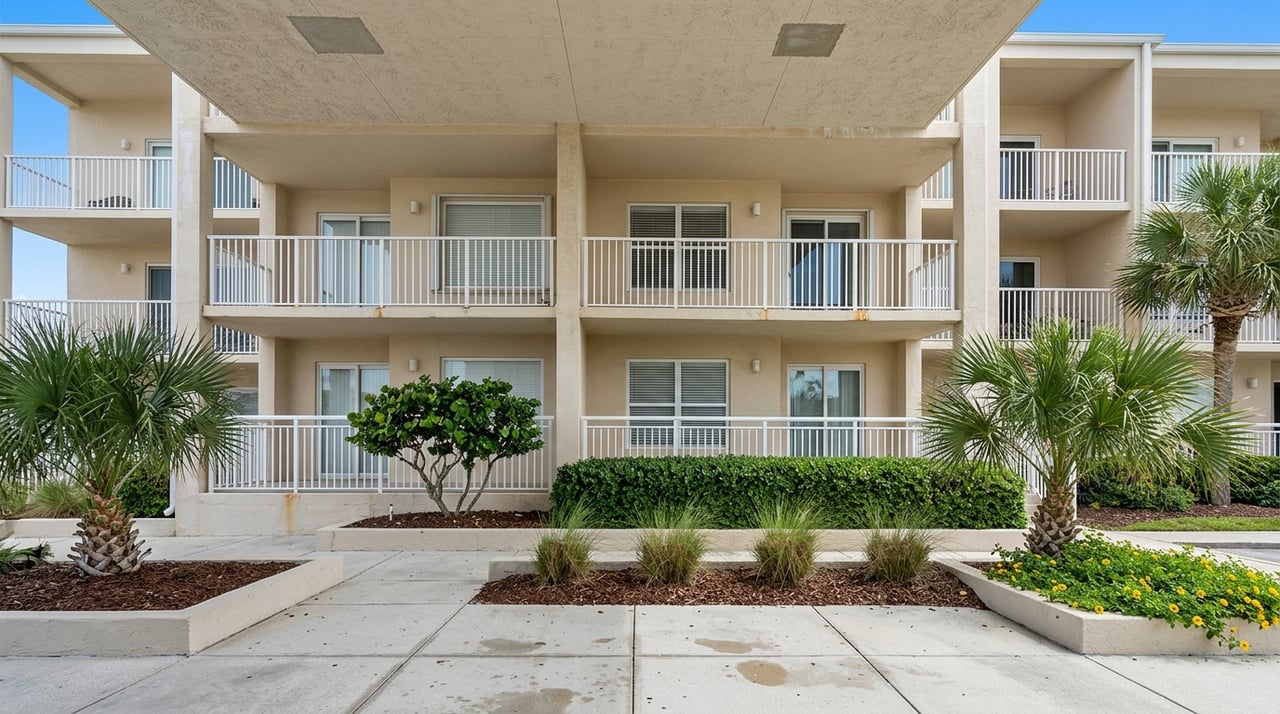
Buying an oceanfront condo in New Smyrna Beach can feel exciting right up until the practical questions start piling up. How old is the building? Are reserves healthy? What does insurance actually cover? If you want a place by the water without surprises, you need more than a great view. You need a clear plan for evaluating the building, the association, and the day-to-day ownership experience. Let’s dive in.
Why oceanfront condo due diligence matters
In New Smyrna Beach, an oceanfront condo is more than an individual unit. You are also buying into a shared building, shared systems, shared expenses, and shared rules. That is especially important on the coast, where salt air, storms, erosion, and ongoing maintenance all shape long-term value.
Volusia County is actively working on shoreline protection through its South Berm Construction Project, which is rebuilding parts of the dune system along about 5.5 miles of shoreline. The county also notes that temporary beach closures may happen as work moves south, and it is launching a feasibility assessment focused on critical coastal erosion.
That means when you buy oceanfront, you should think beyond finishes and floor plans. Beach conditions, access changes, and future building needs can all affect how the property feels to own and what it may cost over time.
Start with the building itself
The first question to ask is simple: How old is the building, and what condition is it in? In Florida, this matters even more for oceanfront properties because state condo safety rules require inspections and reserve planning for many multi-story buildings.
According to Florida’s milestone inspection law, buildings with three or more habitable stories must have a milestone inspection by age 30, or by age 25 if they are within 3 miles of a coastline. After that, inspections are required every 10 years.
Florida also requires a structural integrity reserve study every 10 years for residential condo buildings that are three habitable stories or higher. These studies look at major building components such as:
- Roof
- Structure and foundation
- Fireproofing and fire protection systems
- Plumbing and electrical systems
- Waterproofing
- Windows
- Elevators
- Other major deferred-maintenance items
For you as a buyer, the takeaway is clear. In an older oceanfront building, value depends heavily on whether repairs have been handled proactively and whether the association is financially prepared for future work.
Ask for the right records
Florida law gives condo buyers a strong starting point for due diligence. Under the state’s resale disclosure requirements, the disclosure package can include key documents like the declaration, bylaws, budget, management contracts, floor plans, milestone inspection summary, and structural integrity reserve study.
Florida’s condo records law also says associations must maintain certain official records, including inspection reports and permits, and keep inspection reports for 15 years. You can review that framework in the state’s association records statute.
When reviewing a building, focus on these questions:
- Has the milestone inspection been completed?
- Is the latest structural integrity reserve study available?
- Are reserves funded in line with the study?
- Are there active or recently completed major repair projects?
- Have repairs been deferred?
- Are there special assessments now, or signs that one may be coming?
Review the association like a financial partner
When you buy a condo, the association’s financial health becomes part of your ownership experience. A beautiful unit can still be a risky purchase if the building has underfunded reserves, major deferred maintenance, or unresolved repair issues.
This matters for your budget and for financing. Fannie Mae’s condo guidance notes that critical repairs, significant deferred maintenance, inadequate insurance, pending significant litigation, and hotel or daily short-term rental style operations can affect project eligibility.
In other words, a lender may look at the entire project, not just your personal qualifications. If the building has major issues, financing options may narrow even if you are otherwise well qualified.
Understand condo fees and future costs
Oceanfront living comes with shared costs, and monthly association dues are a major part of affordability. The Consumer Financial Protection Bureau notes that condo or HOA fees are usually paid separately from your mortgage and can range from a few hundred dollars to more than $1,000 per month.
That is why it helps to look at the full ownership picture before you fall in love with a specific unit. Your budget should include:
- Mortgage payment
- Condo association dues
- Property taxes
- Unit-owner insurance
- Possible flood insurance needs
- Potential assessments or repair-related costs
Shared amenities can add value, but they also increase shared expenses. Pools, elevators, private beach walkovers, parking areas, and exterior maintenance all require funding and oversight.
Check rental rules and daily usability
Not every oceanfront condo works the same way. Some buildings are designed more for full-time or second-home owners, while others may allow leasing under specific terms. Before you make an offer, confirm exactly how the association’s rules fit your plans.
The most useful rule questions often include:
- What are the minimum lease terms?
- Are short-term rentals allowed at all?
- Are there pet restrictions?
- What are the guest rules?
- How are parking and storage assigned?
- What approvals are needed for interior renovations?
These points affect more than convenience. They can shape rental potential, financing options, and how easy the condo is to enjoy as a second home.
Beach access and parking matter more than buyers expect
In New Smyrna Beach, beach access is a lifestyle issue, but it is also a practical ownership issue. Volusia County says that as of January 1, 2025, nonresidents are charged for on-beach driving and off-beach parking, with separate access rules for some parks and municipal lots. You can review the current details on the county’s beach driving and parking page.
If you are buying for personal use, this affects convenience for you and your guests. If you are buying a second home with rental goals, it may also affect the guest experience and how attractive the property feels compared with other options.
Look closely at flood and insurance exposure
Oceanfront condo buyers should never treat insurance as a last-minute item. Standard homeowners coverage is not the same as flood insurance, and on the coast, that distinction matters.
Volusia County provides separate flood zone and storm surge zone resources, which can help you understand a building’s broader exposure. FEMA also explains that flood insurance is separate from homeowners insurance, and that a new flood policy typically has a 30-day waiting period before it takes effect.
As part of your condo review, ask these insurance questions:
- Does the association carry a master property insurance policy?
- Is there a master flood policy such as an RCBAP?
- What parts of the unit are covered by the association’s policy?
- What must you insure separately as the unit owner?
- Has the lender flagged any insurance concerns with the project?
These are not small details. Fannie Mae identifies insufficient master insurance as one reason a condo project may become ineligible for financing.
Consider construction and coastal change
Oceanfront ownership is tied to a changing shoreline. That does not mean you should avoid buying, but it does mean you should ask informed questions about what is happening around the building now and what may happen during your ownership.
In addition to county dune work, the City of New Smyrna Beach has highlighted restoration activity such as the 27th Avenue Beachfront Park restoration. Depending on the building and timing, nearby work could affect beach access, traffic patterns, noise, views, or day-to-day convenience.
A smart buyer asks whether any nearby restoration, dune, or access projects are planned or ongoing. That helps you understand current conditions, not just the listing photos.
A practical condo buyer checklist
Before making an offer on a New Smyrna Beach oceanfront condo, use this checklist as a starting point:
- Confirm the building’s age and whether a milestone inspection has been completed
- Request the latest structural integrity reserve study
- Review the budget and reserve funding
- Ask about current or proposed special assessments
- Check for major pending repairs or deferred maintenance
- Review association rules on rentals, pets, guests, parking, and renovations
- Confirm whether the project is a standard residential condo or has condotel-style characteristics
- Review master property and flood insurance details
- Check flood zone and storm surge exposure
- Ask about beach access, parking, and nearby coastal construction or restoration work
Why local guidance helps
Oceanfront condo purchases have more moving parts than many buyers expect. You are not just evaluating a property. You are evaluating a structure, an association, a shared financial system, and a coastal location that can change over time.
That is why local, detail-oriented guidance matters. With New Smyrna Beach condos, the right questions about inspections, reserves, flood exposure, insurance, and rules can make the difference between a confident purchase and an expensive surprise.
If you are comparing oceanfront condos in New Smyrna Beach and want help reviewing buildings, association documents, and coastal risk factors, connect with Michael Fiscina. You will get experienced, practical guidance tailored to your goals, whether you are buying for full-time living, a second home, or long-term investment.
FAQs
What should you review before buying a New Smyrna Beach oceanfront condo?
- Review the building’s age, milestone inspection status, structural integrity reserve study, reserve funding, insurance, special assessments, and association rules on rentals, pets, parking, and renovations.
How do Florida condo inspection rules affect oceanfront condo buyers?
- Florida requires milestone inspections for many older multi-story buildings and structural integrity reserve studies for certain condo buildings, which makes it important to verify inspection status and future repair planning.
Do New Smyrna Beach oceanfront condos need flood insurance review?
- Yes. Flood insurance is separate from standard homeowners insurance, so you should confirm both the association’s master flood coverage and what you may need to insure individually.
Can rental rules affect financing for a New Smyrna Beach condo?
- Yes. Project characteristics such as daily or short-term rental style operations, deferred maintenance, inadequate insurance, or significant litigation can affect lender eligibility.
Why do beach access and parking matter when buying a New Smyrna Beach condo?
- Beach access and parking affect everyday convenience, guest use, and rental appeal, and Volusia County’s current rules include fees for certain nonresident beach driving and parking use.